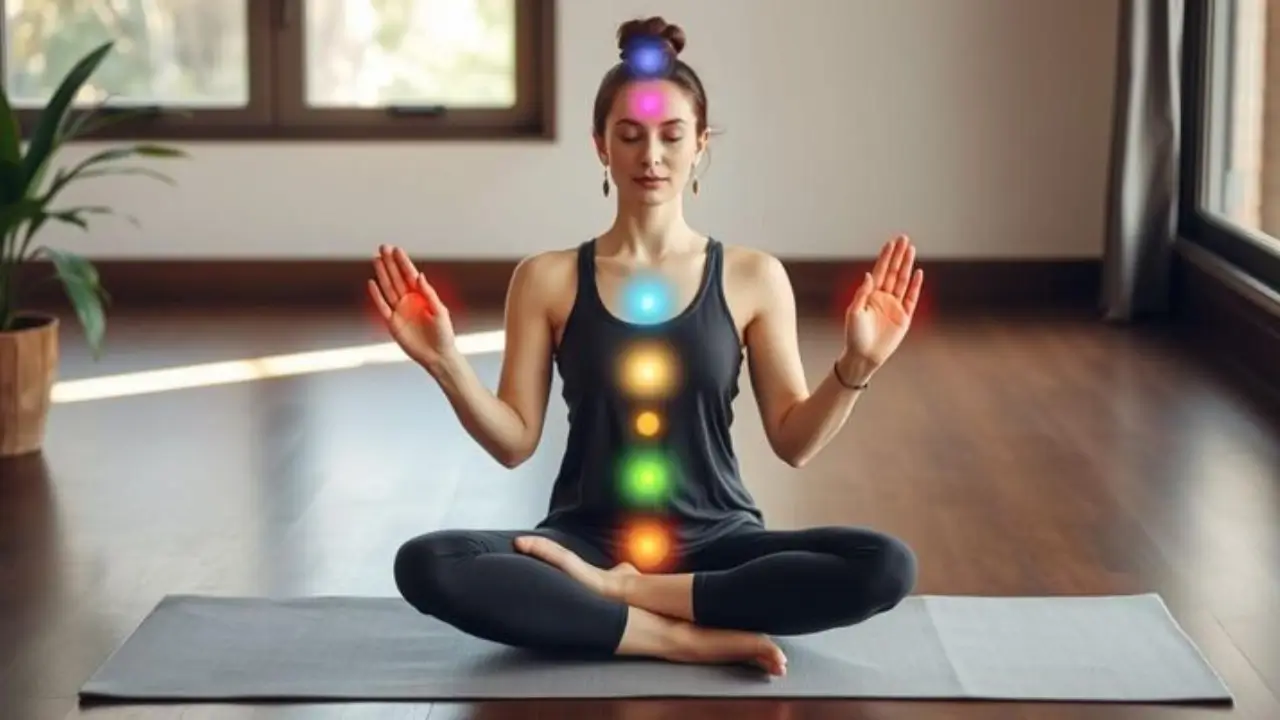
Power Yoga and Traditional Yoga are two different styles. Both use yoga poses, but they practice them in different ways. One is fast and intense, the other is slow and calm.
Many people get confused about which style to choose. Some want to lose weight and build muscles. Others want peace of mind and flexibility. Understanding the difference helps you pick the right one.
This guide explains both styles in simple words. You will learn what makes them different, which one burns more calories, and which suits your needs better.
Quick Answer: Main Difference
Power Yoga is fast, sweaty, and builds strength. Traditional Yoga is slow, focuses on breathing, and brings deep relaxation. Power Yoga is like a workout. Traditional Yoga is more about mind and spirit.
What Is Power Yoga
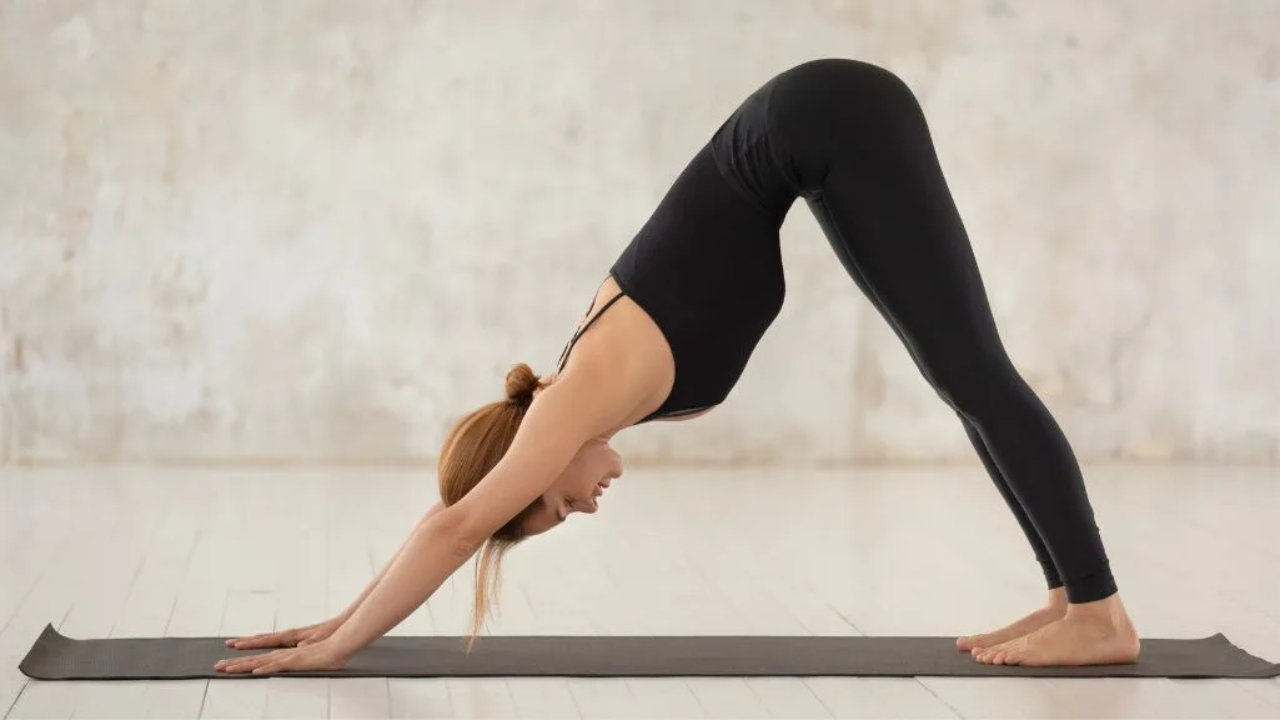
Power Yoga is a modern fitness style. It takes traditional yoga poses and does them faster. You move quickly from one pose to another without much rest.

This style started in America in the 1990s. Gyms and fitness centers wanted a yoga that gives a good workout. So teachers created Power Yoga by making traditional poses more challenging.
In Power Yoga class, you sweat a lot. Your heart rate goes up. You hold difficult poses that make muscles shake. It feels more like exercise than meditation. People who love gym workouts often like Power Yoga.
What Is Traditional Yoga
Traditional Yoga is the ancient form practiced in India for thousands of years. It includes styles like Hatha Yoga, Ashtanga, and Iyengar. These styles follow old yoga texts and teachings.
The Complete Practice
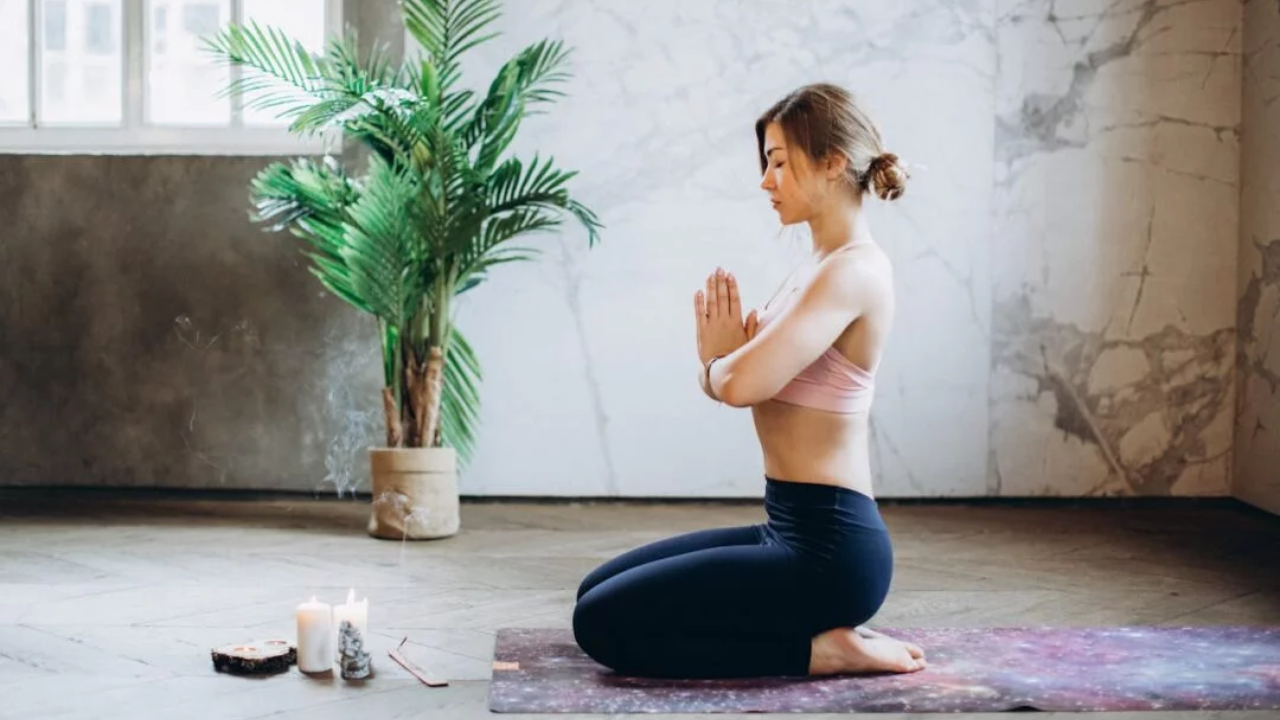
Traditional Yoga is not just exercise. It includes breathing practices called pranayama. It has meditation for calming the mind. It teaches life principles like being honest and kind to others.
The Pace and Focus
Classes move slowly. Teachers explain each pose carefully. You hold poses longer to understand them deeply. Breathing is very important. You breathe in sync with movements. The focus is on inner awareness, not just physical fitness.
Power Yoga vs Traditional Yoga: Quick Comparison
This table shows the main differences between both styles at a glance.
| Feature | Power Yoga | Traditional Yoga |
|---|---|---|
| Speed | Fast, quick movements | Slow, gentle pace |
| Main Focus | Fitness and strength | Mind, body, spirit balance |
| Calories Burned | 300-500 per hour | 150-250 per hour |
| Difficulty Level | Medium to hard | Easy to medium |
| Breathing | Less emphasis | Very important |
| Meditation | Usually not included | Always included |
| Muscle Building | High | Moderate |
| Flexibility | Good | Excellent |
| Mental Peace | Moderate | Very high |
| Best For | Weight loss, toning | Stress relief, healing |
Benefits of Power Yoga
Power Yoga gives you fitness benefits similar to gym workouts. It's popular among people who want visible results quickly.
Burns More Calories
Power Yoga is great for weight loss. One hour can burn 300 to 500 calories depending on intensity. You sweat a lot which makes you feel like you really worked out.
Builds Strong Muscles
Holding challenging poses builds muscle strength. Your arms, legs, and core become stronger. You use your own body weight as resistance. After a few weeks, you notice muscles getting toned.
Improves Heart Health
The fast pace increases your heart rate. This gives cardiovascular benefits like running or cycling. Your stamina improves. You feel more energetic in daily life.
Saves Time
You get a full body workout in 45-60 minutes. No need for separate cardio and strength training. This is perfect for busy people who want results but have limited time.
Benefits of Traditional Yoga
Traditional Yoga offers benefits that go beyond physical fitness. It heals your mind and spirit along with your body.
Deep Stress Relief
Traditional Yoga calms your nervous system. The slow movements and breathing exercises reduce stress hormones. You feel genuinely peaceful, not just tired like after a workout.
Better Flexibility
Holding poses longer safely stretches muscles. You become more flexible gradually without forcing. This reduces body pain and prevents injuries. Even stiff people can practice safely.
Improves Focus
Meditation and breathing practices train your mind. Your concentration improves. You think more clearly. This helps in work, study, and daily tasks.
Heals Body Problems
Traditional Yoga helps with back pain, joint problems, and digestion issues. The gentle approach lets your body heal naturally. Many people reduce their medicines after regular practice.
Better Sleep
The relaxation techniques calm your mind before bed. You fall asleep faster and sleep deeper. Morning tiredness reduces.

Which One for Weight Loss
If your main goal is losing weight, Power Yoga works faster. The intense workout burns more calories and builds lean muscle which increases metabolism.
Power Yoga Advantage
Power Yoga can burn double the calories compared to Traditional Yoga. You also build more muscle. More muscle means you burn calories even while resting. You see body changes within 4-6 weeks.
Traditional Yoga Still Helps
Traditional Yoga helps weight loss too, but slower. It improves digestion and reduces stress eating. Many people overeat because of stress. When stress reduces, eating habits improve naturally.
Best Approach
Do Power Yoga 3-4 times per week for fat burning. Add Traditional Yoga once a week for recovery. Combine with healthy eating. This gives fastest and healthiest weight loss.
Which One for Beginners
Traditional Yoga is better for complete beginners. It teaches you the basics properly without rushing. You learn correct alignment and breathing.
Why Start Traditional
Power Yoga moves too fast for someone learning poses for the first time. You might do poses wrong and hurt yourself. Traditional Yoga teachers give more attention to each student. They correct your form.
Building Foundation
Spend at least 2-3 months learning basic poses in Traditional Yoga. Build some strength and flexibility first. Learn breathing techniques. Then you can safely move to Power Yoga if you want more intensity.
If You're Already Fit
If you already do gym workouts or sports, you can try Power Yoga earlier. Your body already has base strength. But still take a few Traditional Yoga classes first to learn proper breathing and pose names.
Which One for Stress and Anxiety
Traditional Yoga is far better for mental health. If you suffer from stress, anxiety, or depression, choose Traditional Yoga over Power Yoga.

Why Traditional Works Better
Traditional Yoga includes specific breathing exercises that calm your nervous system. The meditation part trains your mind to let go of worries. The slow pace itself is therapeutic.
Power Yoga Limits
Power Yoga is great exercise but doesn't focus much on breath or meditation. For some people, intense exercise actually increases stress instead of reducing it. Your mind stays busy counting reps and trying not to fall.
What Research Shows
Studies show that gentle yoga with breathing and meditation reduces anxiety better than intense exercise. Traditional Yoga changes brain chemistry naturally, reducing stress hormones and increasing feel-good chemicals.
Can You Do Both
Yes, many people practice both styles. This gives you benefits of both fitness and peace. It's called a balanced yoga practice.
Weekly Schedule Example
Monday, Wednesday, Friday - Power Yoga for 45 minutes. Tuesday, Thursday - Traditional Yoga for 60 minutes. Saturday - Gentle Traditional Yoga or rest. Sunday - 20 minute meditation or pranayama.
Listen to Your Body
Some days you feel energetic and ready for intense Power Yoga. Other days you feel tired and need gentle Traditional Yoga. Learn to listen to your body. Do what feels right that day.
The Best of Both
Combining both gives complete wellness. Your body stays fit and strong. Your mind stays calm and clear. You get physical health and mental peace together.
Learn Both Styles at Adishesh Yoga Rishikesh
Adishesh Yoga Rishikesh teaches both Power Yoga and Traditional Yoga. Our experienced teachers help you understand which style suits your goals and body type.
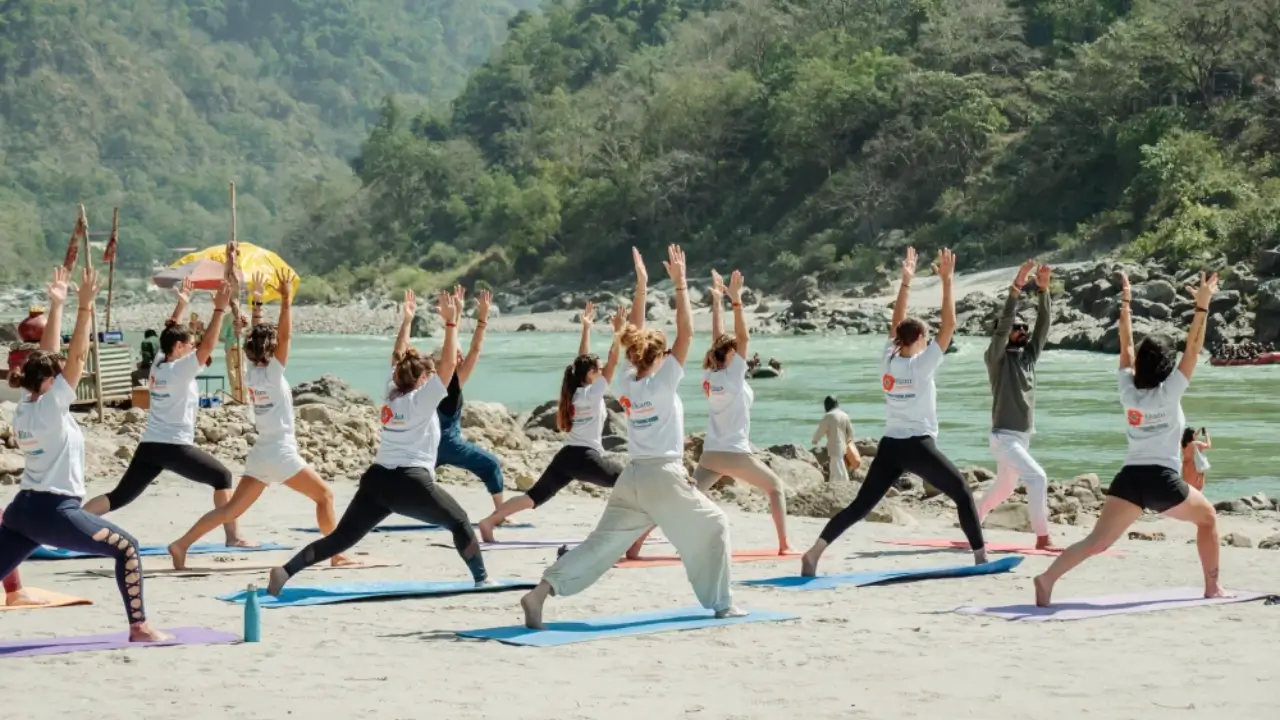
Located in Rishikesh, the yoga capital of the world, we offer authentic training in all yoga styles. Learn from masters who practice what they teach.
Frequently Asked Questions
What is the main difference between Power Yoga and Traditional Yoga?
Power Yoga is fast and focuses on fitness and strength building. Traditional Yoga is slow and focuses on breathing, meditation, and spiritual growth. Power Yoga burns more calories while Traditional Yoga brings deeper peace.
Which yoga is better for weight loss?
Power Yoga is better for weight loss because it's more intense and burns more calories. One hour of Power Yoga can burn 300-500 calories while Traditional Yoga burns 150-250 calories.
Is Power Yoga good for beginners?
Power Yoga can be challenging for complete beginners. It's better to start with Traditional Yoga to learn basic poses correctly and build some strength first. After 2-3 months, you can try Power Yoga.
Can I do both Power Yoga and Traditional Yoga?
Yes, you can do both. Many people do Power Yoga 2-3 times per week for fitness and Traditional Yoga 1-2 times for relaxation. This combination gives you both fitness benefits and mental peace.
Which yoga is better for back pain?
Traditional Yoga is better for back pain. The gentle, slow movements help heal without straining. Power Yoga might be too intense and could make back pain worse if poses are done incorrectly.
Does Power Yoga include meditation?
Most Power Yoga classes don't include much meditation. They focus mainly on physical poses and movement. Traditional Yoga always includes meditation and breathing practices as essential parts.
Conclusion What Fits Your Goals
Both Power Yoga and Traditional Yoga are good. Neither is better than the other. They serve different purposes. Your choice depends on what you want.
Want to lose weight, build muscles, and get fit fast? Choose Power Yoga. Want to reduce stress, heal body problems, and find inner peace? Choose Traditional Yoga. Want both fitness and peace? Practice both styles.
Ready to start your yoga journey? Join Adishesh Yoga Rishikesh and learn both styles from experienced teachers. Get personal guidance on which practice suits your body and goals best.
The most important thing is to start. Pick one style, try it for a month, and see how you feel. Your body will tell you if it's right for you.